
The Kathmandu to Lukla Helicopter Flight has become one of the most dependable and efficient transportation options for travelers heading into Nepal’s Everest region. Lukla is the main entry point for Everest Base Camp treks, peak climbing expeditions, and cultural journeys through the Khumbu Valley. Due to its challenging terrain and unpredictable weather, reaching Lukla by airplane can be uncertain. A helicopter flight offers a safer, faster, and more flexible alternative, especially for travelers who value reliability and comfort.
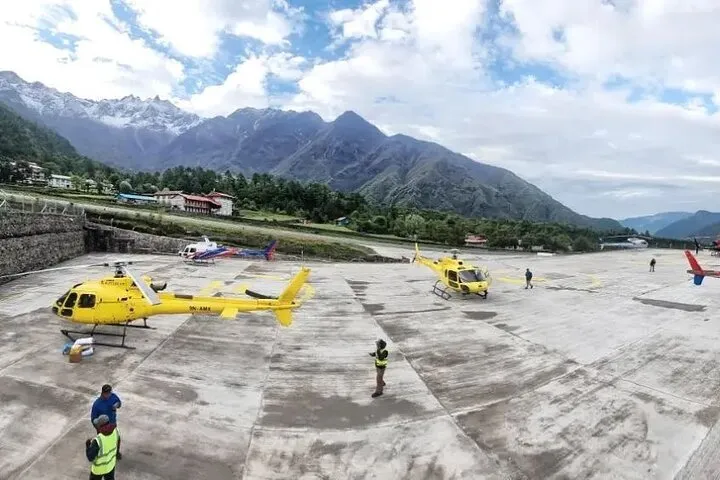
Importance of the Kathmandu to Lukla Route
Lukla Airport, officially named Tenzing-Hillary Airport, sits at an elevation of 2,860 meters and is surrounded by steep mountains. It serves as the lifeline for trekkers, guides, porters, and local communities in the Everest region. The route from Kathmandu to Lukla crosses deep valleys, forested hills, and Himalayan foothills, making it one of the most dramatic flight paths in the world.
Because of frequent weather disruptions, fixed-wing flights are often delayed or canceled, especially during peak trekking seasons. The Kathmandu to Lukla Helicopter Flight has therefore become an essential solution for maintaining travel schedules and minimizing uncertainty.
Why Choose a Kathmandu to Lukla Helicopter Flight?
Greater Flight Reliability
Helicopters can operate in weather conditions that often ground small airplanes. Their ability to fly at lower altitudes and adjust routes allows them to avoid cloud cover and strong winds more effectively. This makes helicopter flights one of the most reliable ways to reach Lukla on time.
Faster and Stress-Free Travel
A helicopter flight from Kathmandu to Lukla usually takes less than one hour. Travelers avoid long check-in lines, crowded terminals, and repeated delays. This efficiency is particularly valuable for those with limited vacation time or fixed trekking permits.
Flexible Departure Options
Unlike regular flights that follow strict schedules, helicopter departures can often be arranged based on traveler needs. This flexibility helps trekkers recover lost days caused by weather disruptions or last-minute itinerary changes.
Scenic Himalayan Experience
The Kathmandu to Lukla Helicopter Flight is not just transportation—it is a scenic journey. Passengers enjoy aerial views of rolling hills, winding rivers, remote villages, and snow-covered peaks, setting the tone for the Himalayan adventure ahead.
Types of Kathmandu to Lukla Helicopter Flights
Shared Helicopter Flights
Shared helicopter flights are cost-effective and popular among solo trekkers. Passengers share the helicopter with others heading to Lukla, splitting the overall cost. Strict weight limits apply, and luggage is carefully managed to ensure safe flight operations.
Private Helicopter Charters
Private helicopter flights offer complete control over departure time, seating, and baggage allowance. This option is ideal for groups, families, or climbers with specialized equipment. Private charters also allow for customized routing and minimal waiting time.
Safety Measures and Operational Standards
Safety is a top priority for Kathmandu to Lukla Helicopter Flights. Helicopters are maintained under international aviation standards and operated by licensed companies approved by Nepal’s Civil Aviation Authority. Pilots are highly experienced in mountain flying and trained to handle rapidly changing Himalayan weather conditions.
Before every flight, pilots conduct detailed weather assessments and weight calculations. If conditions are unsafe, flights are delayed or rerouted, ensuring passenger safety remains the highest priority.
Best Seasons for Helicopter Flights to Lukla
The most favorable times for a Kathmandu to Lukla Helicopter Flight are spring (March to May) and autumn (September to November). These seasons offer clear skies, stable weather, and excellent visibility of the Himalayan landscape.
Helicopter flights also operate during winter months, especially in the early morning when wind conditions are calmer. During the monsoon season, helicopters may still fly when airplanes cannot, depending on cloud cover and rainfall intensity.
Cost of Kathmandu to Lukla Helicopter Flight
The cost of a Kathmandu to Lukla Helicopter Flight depends on several factors, including season, demand, and whether the flight is shared or private. Prices typically range from USD 600 to USD 3,800. While helicopters are more expensive than fixed-wing flights, the benefits of reliability, time savings, and reduced stress make them a worthwhile investment for many travelers.
Who Benefits Most from Helicopter Flights?
The Kathmandu to Lukla Helicopter Flight is especially suitable for:
-
Everest Base Camp trekkers with tight schedules
-
Climbers joining time-sensitive expeditions
-
Luxury travelers seeking comfort and efficiency
-
Elderly or less physically demanding travelers
-
Photographers and filmmakers
-
Travelers affected by repeated Lukla flight cancellations
For these groups, helicopter travel ensures a smooth and predictable journey into the Everest region.
Environmental Responsibility in Helicopter Operations
Modern helicopter operators are increasingly focused on sustainable practices. Flight routes are optimized to reduce fuel consumption, and strict regulations control flight frequency in sensitive Himalayan areas. By reducing extended airport congestion and unnecessary ground logistics, helicopter flights contribute to more efficient mountain travel.
Conclusion
The Kathmandu to Lukla Helicopter Flight stands out as the most reliable, flexible, and efficient way to reach the Everest region. With fewer delays, greater safety margins, and breathtaking aerial views, it offers a superior alternative to traditional flights. Whether you are beginning an Everest Base Camp trek, joining a climbing expedition, or simply seeking a stress-free journey into the Himalayas, a helicopter flight from Kathmandu to Lukla ensures your adventure starts smoothly and confidently. For travelers who value time, reliability, and comfort, this flight option remains the smartest gateway to the world’s highest mountains.